Traveling across Europe is an exercise in synchronicity. The same medieval square in Bruges, sun-bleached cove in Crete, or high pass in the Swiss Engadin evokes an entirely distinct sensory world depending on whether you arrive in late April, mid-July, late October, or January.
1. Spring Awakening (March – May): Wildflowers & Crisp Air
Spring across Europe moves from south to north in an intoxicating wave. By late March, Andalusia and Sicily are already experiencing temperatures above 20°C, with almond blossoms and citrus groves in heavy bloom. In April, the Keukenhof gardens in the Netherlands erupt in over seven million tulips, while Parisian parks fill with café patrons returning to outdoor zinc tables.
"May remains the undisputed golden month for Southern Europe: long 14-hour days, gentle thermal conditions, blooming wisteria, and an absence of the midsummer tour bus density."
For those planning coastal excursions, May is optimal for the Amalfi Coast, French Riviera, and Balearic Islands before summer charters saturate marina slips.
2. High Summer (June – August): Alpine Trails & Northern Light
While the Mediterranean sizzles with vibrant beach clubs and lively evening passeggiata, savvy travelers seeking outdoor adventure pivot north and upward. June in Provence presents early lavender fields and warm, balmy nights.
In July and August, the high passes of the Italian Dolomites, Swiss Valais, and Austrian Tyrol become accessible as winter snowpacks melt. Simultaneously, Norway's Western Fjords and Iceland benefit from up to 20 hours of continuous daylight, allowing midnight fjord kayaking and scenic coastal drives along the Atlantic Ocean Road.
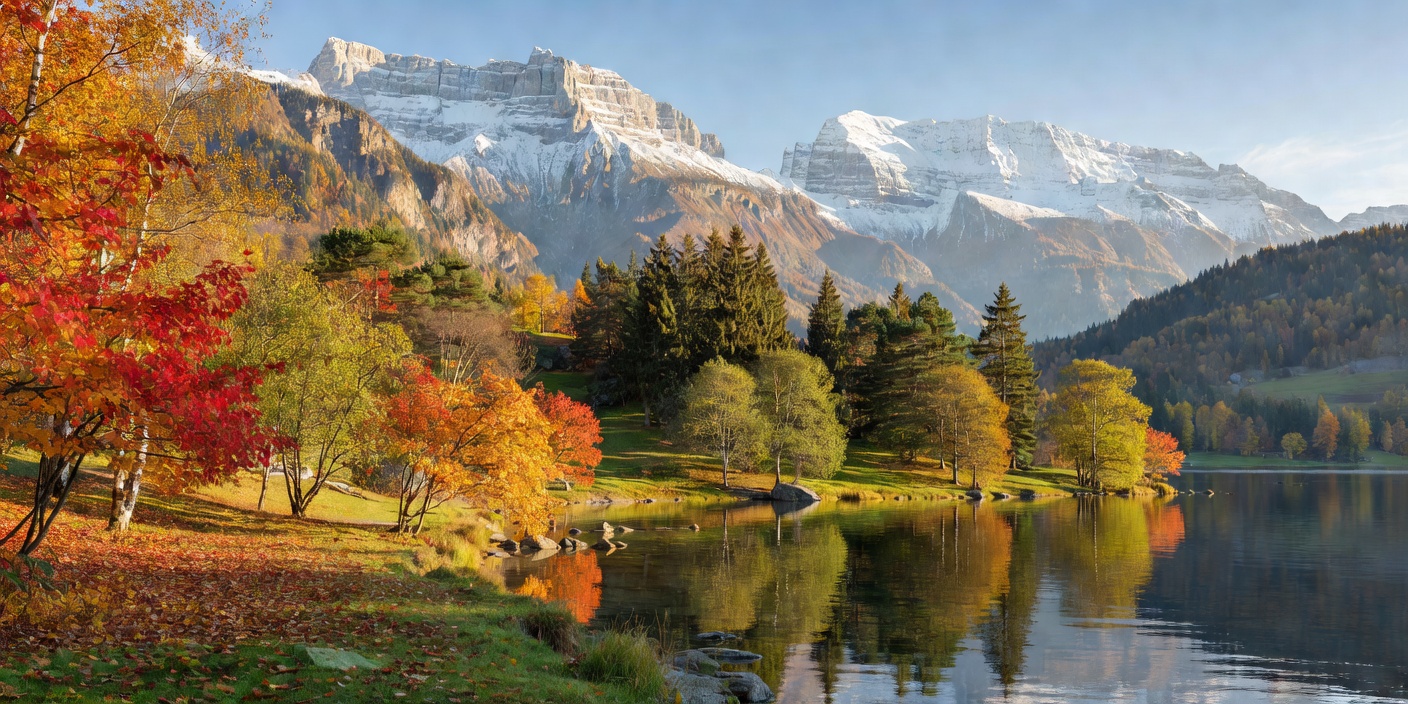
3. Golden Autumn (September – November): The Great Harvest
Autumn is Europe's richest culinary season. September retains summer warmth across Portugal’s Douro Valley, Greece, and Southern Italy, making it prime for swimming and wine harvest participation (vindima).
Truffles and Vin Novello in Tuscany & Piedmont
By October, the forests of Piedmont and Tuscany produce the world-renowned White Truffle of Alba (Tartufo Bianco), accompanied by chestnuts and olive oil pressings. Dense morning mists drape the cypress groves of Val d'Orcia, yielding magical conditions for photographers and gastronomes alike.
4. Arctic & Alpine Winter (December – February): Snow Taiga & Yuletide
Winter divides Europe into two alluring extremes: the snow-covered fairy tale landscapes of the north and Alps, versus the mild winter sun of the Canary Islands, Cyprus, and the Costa del Sol.
In December, Central European cities like Vienna, Strasbourg, and Nuremberg celebrate centuries of Advent traditions with illuminated Christmas markets. Meanwhile, north of the Arctic Circle, Finnish Lapland enters the magical Polar Night (Kaamos), illuminated by shimmering snow taiga and aurora borealis.
Shoulder Season Advantages (May & Sept)
- 30%–50% lower boutique accommodation rates
- Minimal queue times at major museums and ruins
- Comfortable walking weather (20°C–24°C)
- Authentic interactions with local artisans and chefs
High Summer Realities (July & August)
- Extreme Mediterranean heat waves (35°C–40°C+)
- Heavy congestion in historic centers & narrow roads
- Strict restaurant reservations required weeks ahead
- Higher ferry, charter, and flight pricing